
Cloud Computing - Where Technology Meets Agility
Cloud Computing
Cloud computing refers to the delivery of computing services—including servers, storage, databases, networking, software, and analytics—over the Internet ("the cloud") to offer faster innovation, flexible resources, and economies of scale.
Here's a comprehensive explanation covering various aspects of cloud computing:
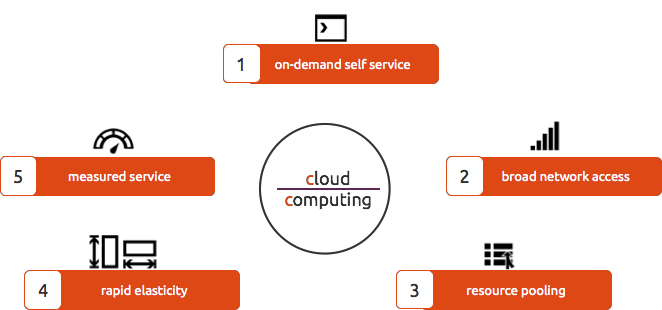
Key Characteristics of Cloud Computing
1. On-Demand Self-Service:
Users can provision and manage computing resources (e.g., servers, storage, databases) without human intervention from the service provider.
2. Broad Network Access:
- Services are accessible over the network and can be accessed through standard mechanisms (e.g., web browsers, APIs).
3. Resource Pooling:
- Computing resources are pooled to serve multiple users and can be dynamically assigned and reassigned according to demand.
4. Rapid Elasticity:
- Computing resources can be rapidly scaled up or down based on workload demands, often automatically, allowing for flexibility and efficiency.
5. Measured Service:
- Cloud systems automatically control and optimize resource usage by leveraging metering capabilities, providing transparency for both providers and consumers.
Cloud Service Models
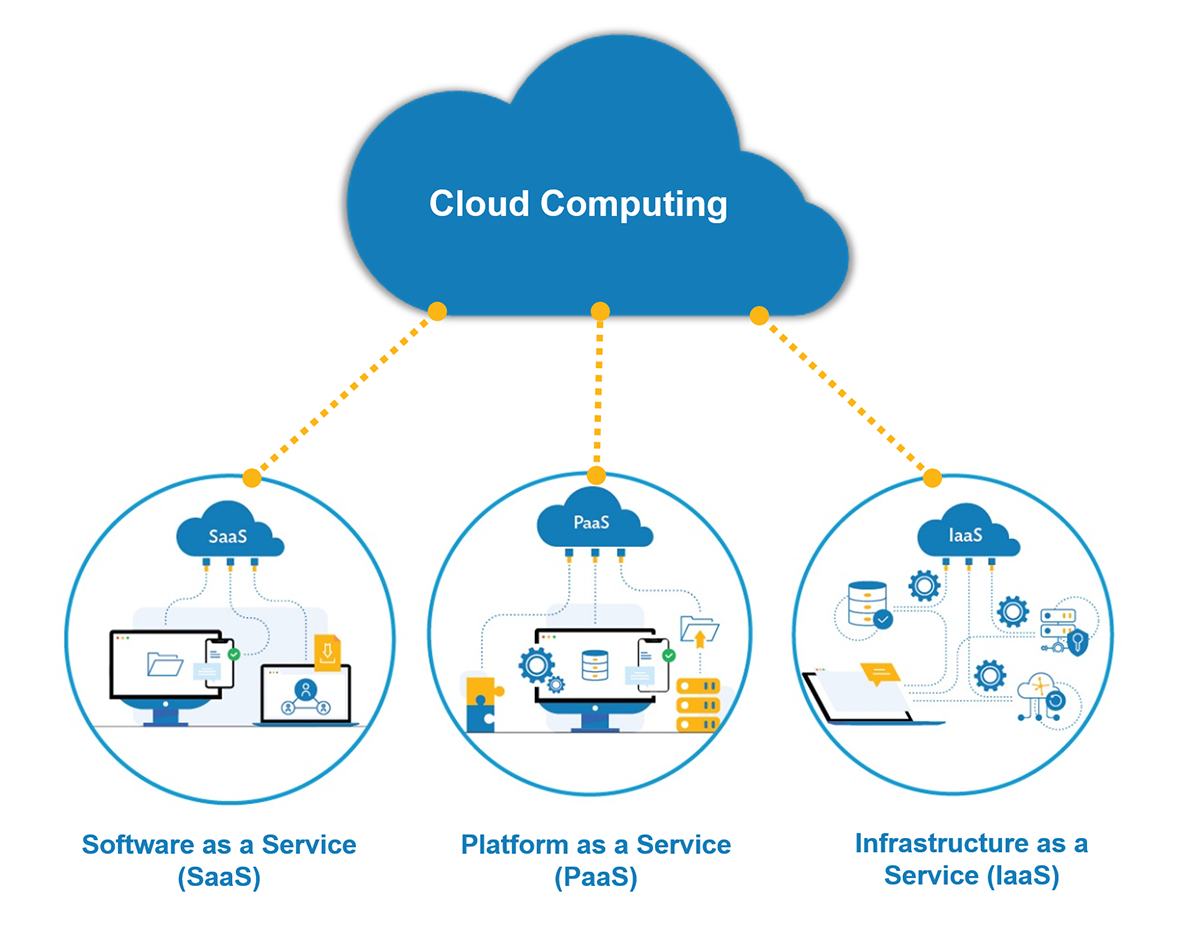
1. Infrastructure as a Service (IaaS):
- Provides virtualized computing resources over the Internet. Users can rent virtual machines, storage, and networks on a pay-as-you-go basis. Example providers: AWS EC2, Azure Virtual Machines.
2. Platform as a Service (PaaS):
- Provides a platform allowing customers to develop, run, and manage applications without the complexity of building and maintaining the underlying infrastructure. Example providers: Google App Engine, Heroku.
3. Software as a Service (SaaS):
- Delivers software applications over the Internet on a subscription basis. Users can access the software via a web browser without worrying about installation or maintenance. Example providers: Salesforce, Microsoft Office 365, Google Workspace.
Cloud Computing
Benefits of Cloud Computing
Cloud Computing spans various industries, each requiring tailored solutions to meet specific needs:
- Cost Efficiency: Pay-as-you-go pricing and economies of scale reduce capital expenditure on infrastructure.
- Scalability: Easily scale resources up or down based on demand without significant upfront investment.
- Flexibility and Accessibility: Access data and applications from anywhere with an internet connection.
- Reliability and Disaster Recovery: Built-in redundancy and disaster recovery options ensure high availability and data protection.
- Innovation and Time-to-Market: Rapid provisioning of resources allows faster deployment of applications and services.
Cloud Computing
Challenges and Considerations
- Security: Data breaches, data loss, and compliance with regulations (e.g., GDPR, HIPAA).
- Performance: Network latency and application performance can be affected by cloud provider location and architecture.
- Vendor Lock-In: Dependency on a single cloud provider can limit flexibility and increase costs.
- Data Transfer Costs: Charges for data transfer between cloud services or between on-premises and cloud environments.
Future Directions
Edge Computing: Bringing computation and data storage closer to the location where it is needed to improve response times and save bandwidth.
Serverless Computing: Executing code in response to events without provisioning or managing servers, allowing developers to focus on writing code.
AI and Machine Learning Integration: Cloud providers offering AI and ML services that leverage vast amounts of data stored in the cloud.
Containerization and Kubernetes: Standardizing application deployment and management across clouds using containers for portability and scalability.
In summary, cloud computing has revolutionized how businesses and individuals consume computing resources, offering a scalable and cost-effective alternative to traditional on-premises infrastructure. As technology advances, cloud computing continues to evolve, offering new capabilities and opportunities for innovation across various industries worldwide.